




敬字辭(DEMO,片段)
柯濟昇
介紹
〈敬字辭〉的靈感來自漢人社會流傳已久的「敬字亭」文化。過去人們敬重文字,也珍惜寫過字的紙張,因此不能隨意丟棄,而是集中焚化。民間傳說紙灰會化作蝴蝶飛向天空,像是一個關於文字的美麗想像。這樣的意象,也成為這首歌的出發點。
歌曲以七字句的歌謠形式寫成,沿著「敬字惜文」的線索,串起高雄與南臺灣三百年間與「文」相關的歷史片段。從清代文教興起與地方書院談起,到日治時期鐵路開通後的城市流動,以及文人出入的咖啡館與西餐廳。進入二十世紀,歌詞也寫到文學、報紙與農民組合的時代氣氛,最後延伸到戰後社會轉型與公共文化空間的變化。
這並不是一種完整的歷史敘述,而更像是從城市記憶裡挑出的幾條線索:有制度與教育,也有街頭與群眾的身影。不同時代的片段,被放進同一首歌裡,慢慢勾勒出一條屬於地方的文化脈絡。
作詞|莊逸軒 曾家茗
作曲|柯濟昇
演唱|柯濟昇
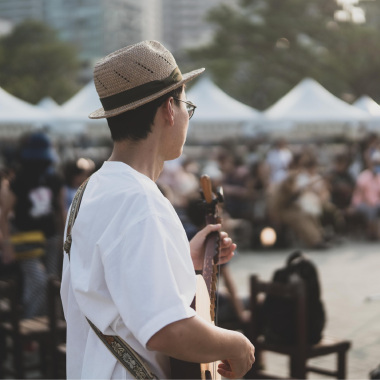
月琴|柯濟昇
-
Ode to the Written Word is inspired by an old tradition brought by Han settlers to Taiwan. In the past, people treated written characters with great respect. Paper with writing on it was not thrown away, but carefully burned in special furnaces. Folklore says the ashes would turn into butterflies and rise into the sky—a poetic image of words returning to heaven.
The song begins from this idea of respect for the written word. Written in a traditional seven-character verse style, it traces fragments of cultural history connected to Kaohsiung and southern Taiwan over the past three centuries.
The lyrics move through different eras: the growth of education in the Qing period, the arrival of railways and modern urban life under Japanese rule, and the spread of newspapers, literature, and social movements in the twentieth century. Along the way, everyday places—schools, cafés, streets, and public spaces—appear as quiet stages of cultural life.
Rather than telling a complete history, the song gathers a series of small moments where words, learning, and the city meet. Together, they sketch a subtle thread of literary life within a place better known for its harbor and industry.
Lyrics|JHANG YISYUAN, TSENG CHIAMING
Music|KO CHISHENG
Vocals|KO CHISHENG
Moon Guitar|KO CHISHENG
歌詞
敬字惜文百偌年
kèng-jī-sek-bûn pah gōa nî
紙灰變蝶無phàng-kìⁿ(拍毋見)
chóa-hoe piàn tia̍p bô phàng-kìⁿ
莫閣講,讀冊人攏偌稀微
mài koh kóng, tha̍k-chheh-lâng lóng gōa hi-bî
這首歷史唱予你知
chit siú le̍k-sú chhiùⁿ hō͘ lí ti
康熙年代義學起
Khong-hi nî-tāi gī-ha̍k khí
屏山晟才情
Pêng-san chhiâⁿ châi-chêng
鳳儀共學河洛同客人 (客語)
Hōng-gî khiung-ho̍k Hok-ló thùng Hak-ngìn
大啟文明黃驤雲(客語)
Thai-khí-vùn-mìn Vòng Siông-yùn
清朝軍隊拍袂贏
Chheng-tiâu kun-tūi phah bē iâⁿ
現代智識著來侹
hiān-tāi tì-sek tio̍h lâi thiāⁿ
日治鐵路到鹽埕
Ji̍t-tī thih-lō͘ kàu Iâm-tiâⁿ
文人來去珈琲店佮西餐廳
bûn-jîn lâi-khì ka-pi-tiàm kah se-chhan-thiaⁿ
二〇年代諍到無喙瀾
jī-khòng nî-tāi chìⁿ kàu bô chhùi-nōa
文學使命登報紙
bûn-ha̍k sú-bēng teng pò-chóa
農民組合佇鳳山
Lông-bîn cho͘-ha̍p tī Hōng-soaⁿ
逐家那吵那做伴
ta̍k-ke ná chhá ná chòe-phōaⁿ
戰後戒嚴復解嚴
chiàn-hāu kài-giâm ho̍k kái-giâm
七賢橋邊論朝野
Chhit-hiân kiô-piⁿ lūn tiâu-iá
瀰濃菊花夜行軍(客語)
Mì-nùng khiuk-fa ya hàng-kiûng
文化中心拆牆圍
Bûn-hòa Tiong-sim thiah chhiûⁿ-ûi
兩千年後無仝世代
nn̄g-chhian nî hāu bô kâng sè-tāi
逍遙園義勇佮蓬萊
Siau-iâu-hn̂g, Gī, Ióng,kah Hông-lâi
網路敨世界
bāng-lō͘ tháu sè-kài
少年人轉來作上元
siàu-liân-lâng tńg--lâi chòe Siōng-goân
敬字惜文百偌年
kèng-jī-sek-bûn pah gōa nî
紙灰變蝶無phàng-kìⁿ(拍毋見)
chóa-hoe piàn tia̍p bô phàng-kìⁿ
莫閣講,讀冊人攏偌稀微
mài koh kóng tha̍k-chheh-lâng lóng gōa hi-bî
明仔載歷史換咱寫
bîn-á-chài le̍k-sú ōaⁿ lán siá