





Gender Division of Labor and Wage Disparity
Sheena, Xin-Rou Zhang

歌詞 動態歌詞
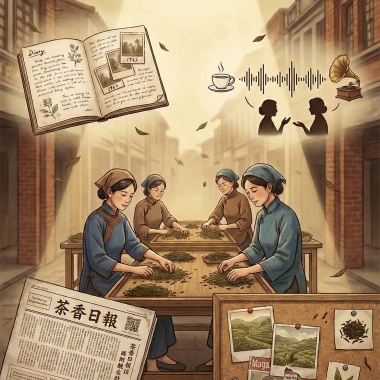
A: Modern tea shop owner B: Ah-Chu, a tea-leaf sorter
A: In modern tea shops, people often ask me: Why are there more women working with tea?
I'm curious—what was the gender division of labor like in your era?
B: Back then, men mainly handled tasks like tea processing, roasting, and rolling
Work requiring strength and skill
Sorting and packaging were done by women
Technically, everyone could do it, but it was treated as “home-based subcontracting.”
A: What about wages?
Was there a significant gender pay gap?
B: Yes, male workers earned more
But that was because their roles were more critical and skill-intensive—not solely due to gender
Women's work was often dismissed as “just helping out.”
A: Could you decide how to spend your own earnings?
B: Most of it becomes our own spending money
We can use it for groceries, paying for things the kids need, or buying things we want
But Ah Hua's mother-in-law, for example, demands she hand it all back
So it varies from family to family
A: In modern workplaces
Men and women can do the same jobs and fight for equal pay.
But in your time, women didn't seem to hold the reins?
B: Right. Important tasks, or anything that could go wrong
Were never given to us
We were only responsible for sorting the tea leaves
There was a female boss
But she just helped direct things from behind the scenes
A: So it sounds like what you did was called “helping,”
but without you, the tea couldn't be shipped at all
B: That's exactly it
We did the detailed work, the male workers did the heavy lifting
Both sides had to cooperate
A: Thank you for helping me understand this part of history better.